

Friction-Free Fiction:
Reorganizing the Stacks for Student Success
Aggie Gasior
September 1, 2026
“Where are the scary books?”
“Do you have any fantasy like Percy Jackson?”
“I like sports. Any novels about that?”
If you’ve worked a day in a school library, chances are you’ve heard similar questions. Students rarely arrive with a specific title in mind, but rather a general idea of the stories they enjoy. But what happens if you don’t know your collection inside-out, or if you aren’t there to facilitate the exchange?
Enter: genrefication. This concept replaces classic organization by author’s last name, with a structure based on literary genres – horror, romance, fantasy, realistic fiction, etc. The library becomes a space to browse by interest, rather than a random guessing game. Mirroring my previous article, “Ditching the Decimal” (Teaching Librarian, May 2026: Vol 33, Issue 3), here is how we made this a reality.
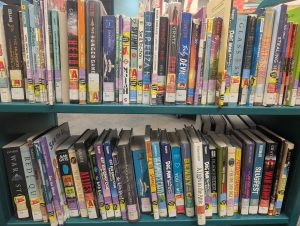
Step 1: Ruthless Weeding: Auditing your current collection before reorganizing is best practice. We removed anything that hadn’t circulated in five years, while also catching culturally insensitive materials. I also noted if the book looked dated, because let’s face it, kids really do judge a book by its cover.
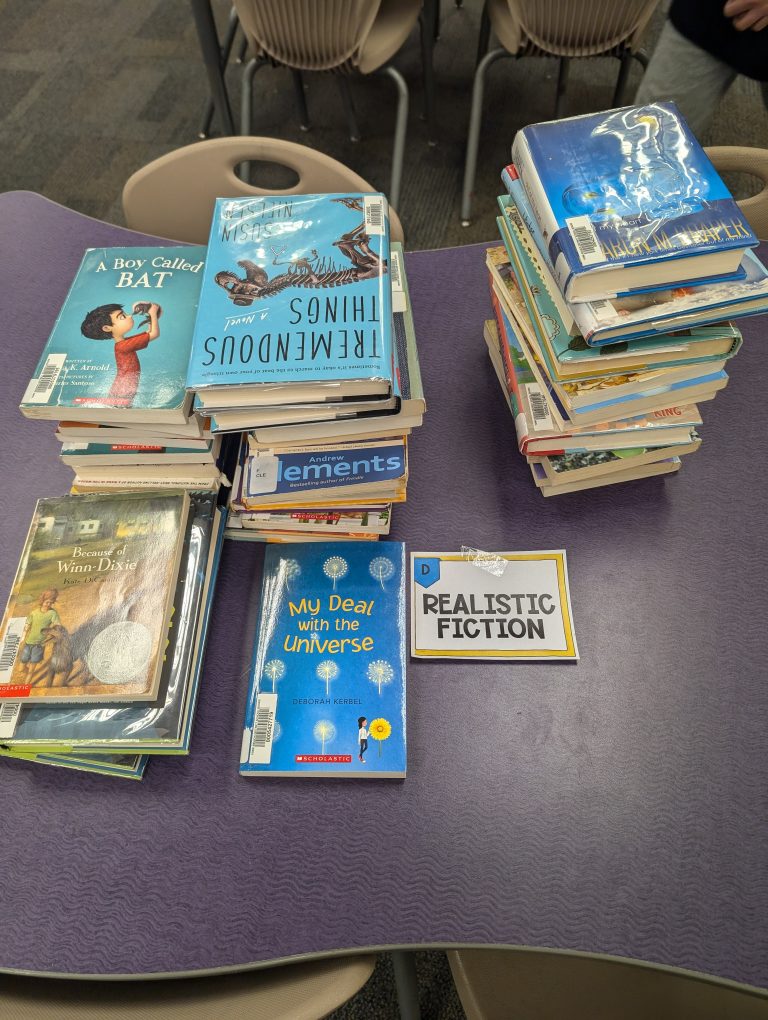
Step 2: Engaging Students: I delivered mini-lessons to Grade 4/5 and Grade 7/8 classes about literary genre features. Students then pulled books and sorted them. For books spanning multiple genres, students decided on the placement by asking: where would you look for this? The answers were usually unanimous. This served as a great formative assessment for the unit.
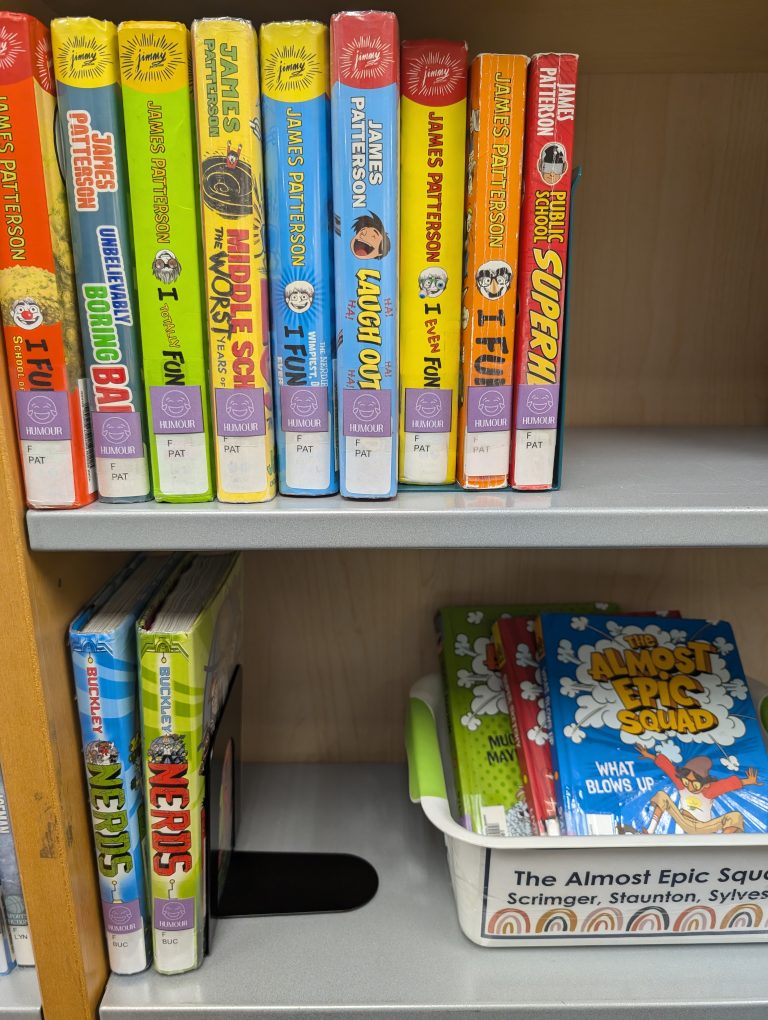
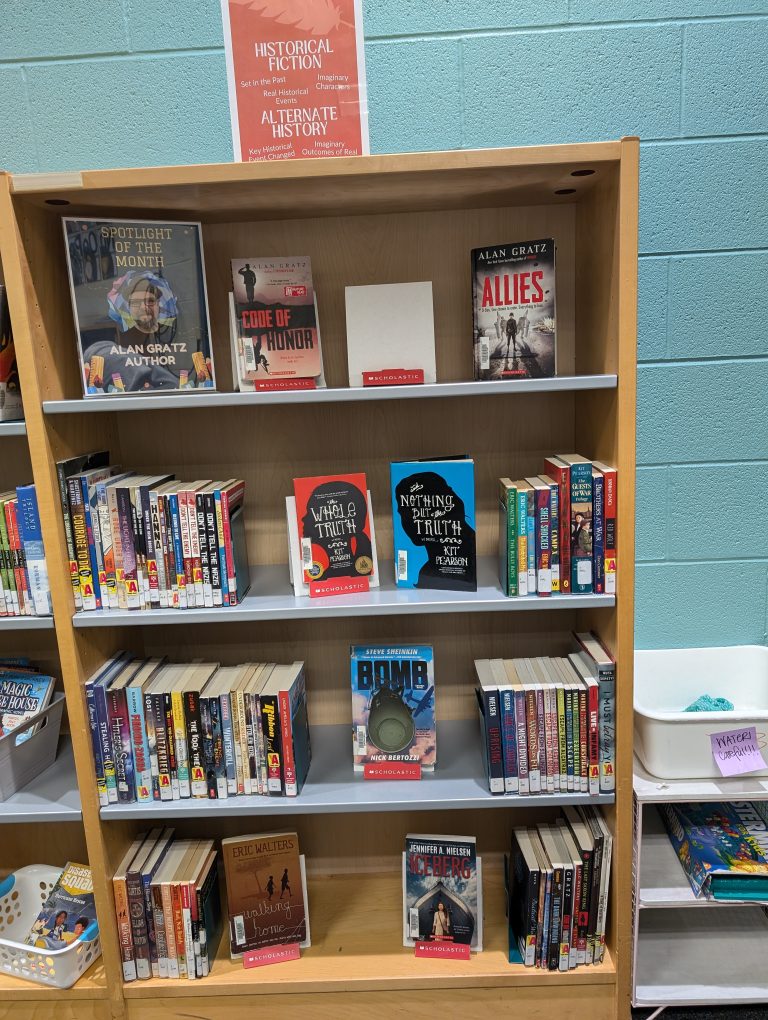
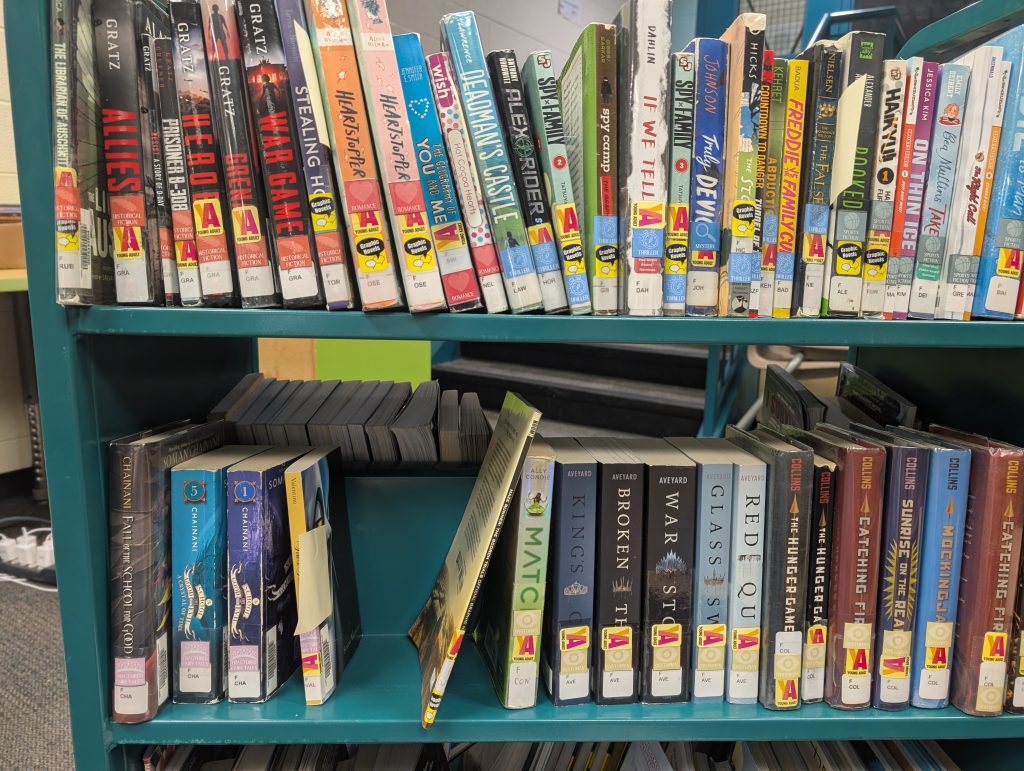
Step 3: Visual Rebranding. Canva to the rescue! To differentiate from our non-fiction which also has Canva-created stickers, we used white text on colour-coded spine labels and signage. Each spine label features a genre icon and title matching shelf signage. This process took a few months, but the visual clarity was worth it.
Step 4: Launching. To introduce the new layout, I held “Book Tasting” and “Speed Dating” events, setting up stations by genre to allow students to interact with the books in a new light. Since the launch, students report that it is much easier to independently browse and find books they enjoy.
Ready to give students autonomy over the book exchange process? Here are the resources that helped me:
- Podcast: School Librarians United with Amy Hermon (search for episodes about collection management).
- Blog: Don’t Shush Me by Kelsey Bogan, specifically her four-part series on Genrefication.
If you are interested in seeing my space, you can find me on Instagram: @CanuckClassroom – look for the Genrefication highlight reel. And here is a link to the Canva files: Genre Posters; Genre Spine Labels; Genre Shelf Labels.
While this redesign of the space may not be feasible for every library space, it is definitely worth considering. Want to start smaller? Try simply adding genre spine labels to your existing organization – even this small visual can help students locate stories they enjoy, which is the whole point of the book exchange experience!
Meet the Author
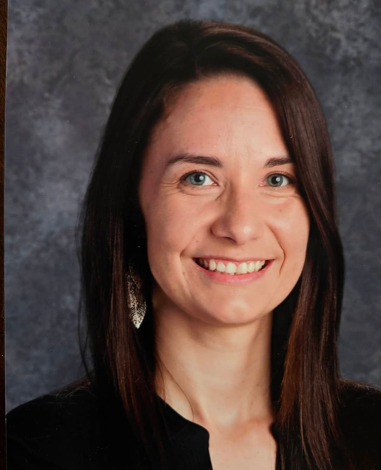
Aggie Gasior
Aggie Gasior is a dedicated YRDSB Teacher-Librarian in Thornhill, Ontario, passionate about connecting every K–8 student with the perfect book to spark their love of reading.
For more information about The Teaching Librarian, please refer to the Terms of Reference.
Recent Articles
Friction-Free Fiction: Reorganizing the Stacks for Student Success
“Where are the scary books?”
“Do you have any fantasy like Percy Jackson?”
“I like sports. Any novels about that?”
If you’ve worked a day in a school library, chances are you’ve heard similar questions.
Leading the Way: How School Librarians Can Support AI Use in the Classroom
For many educators, the arrival of artificial intelligence in schools can feel a little like the opening scene of a Star Wars film…
Read the Library: A Community Challenge
There is always that point in the school year, after everyone is settled, orientation is complete and the excitement of our first library book check-out settles, where I find students start returning to their favourite reads. But we have so many great books in the library!
Author Spotlight: Colby Sharp
This issue’s “Author Spotlight” feature is veering into new territory. We decided that what would really help our library staff members as they return to schools in September would be to connect you all with Colby Sharp.
Author Spotlight: Kelley Armstrong
I read my first book by Kelley Armstrong, The Summoning, when it launched in 2009. As an elementary school teacher-librarian, I was always on the lookout for great books for my students, but at the time I was also curating books for intermediate literature circles for my school board.
Ditching the Decimal: A Non-Fiction Section Refresh
Weeding outdated materials, adding signage, trying dynamic shelving – none of it worked. Despite my efforts, students still found our elementary school’s non-fiction section unintuitive and overwhelming. They couldn’t find what they wanted, so they stopped looking.